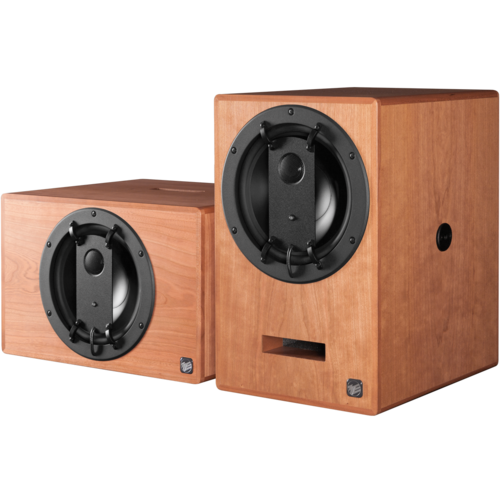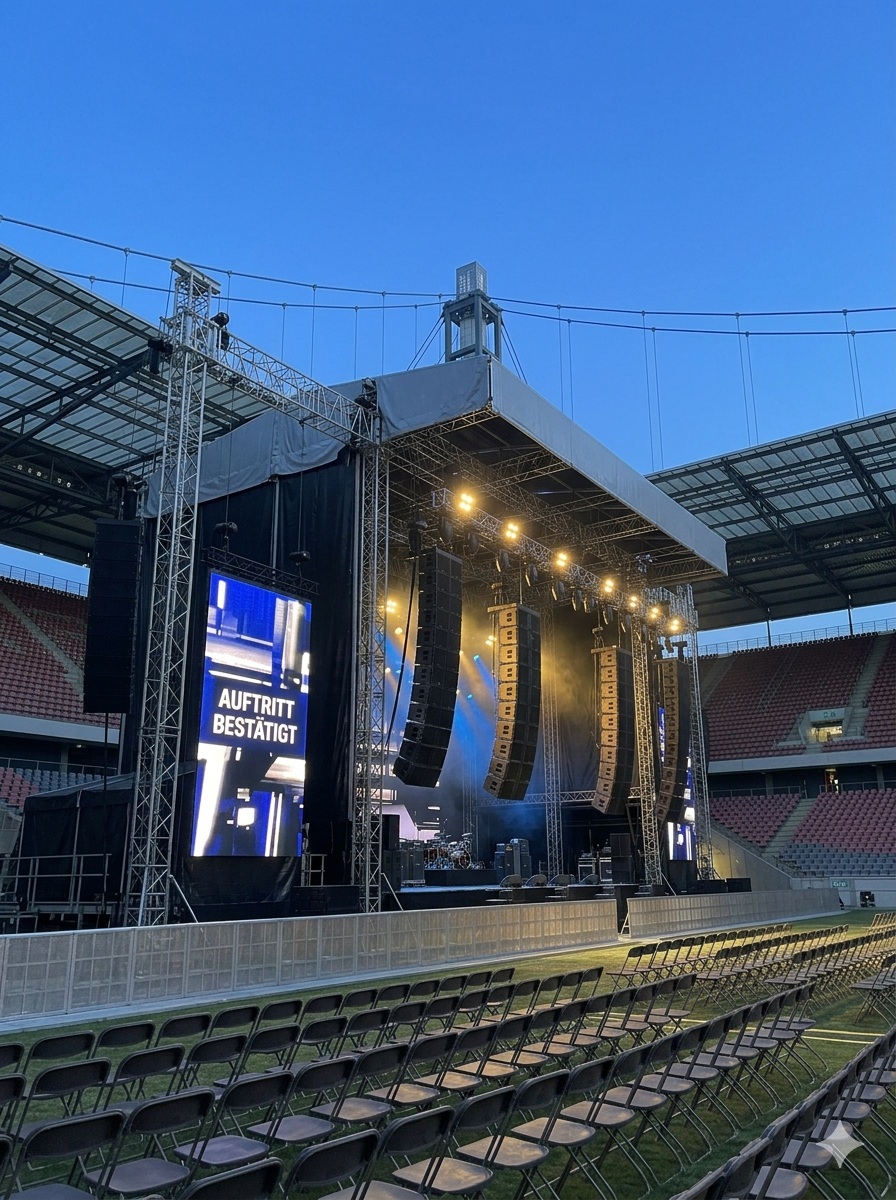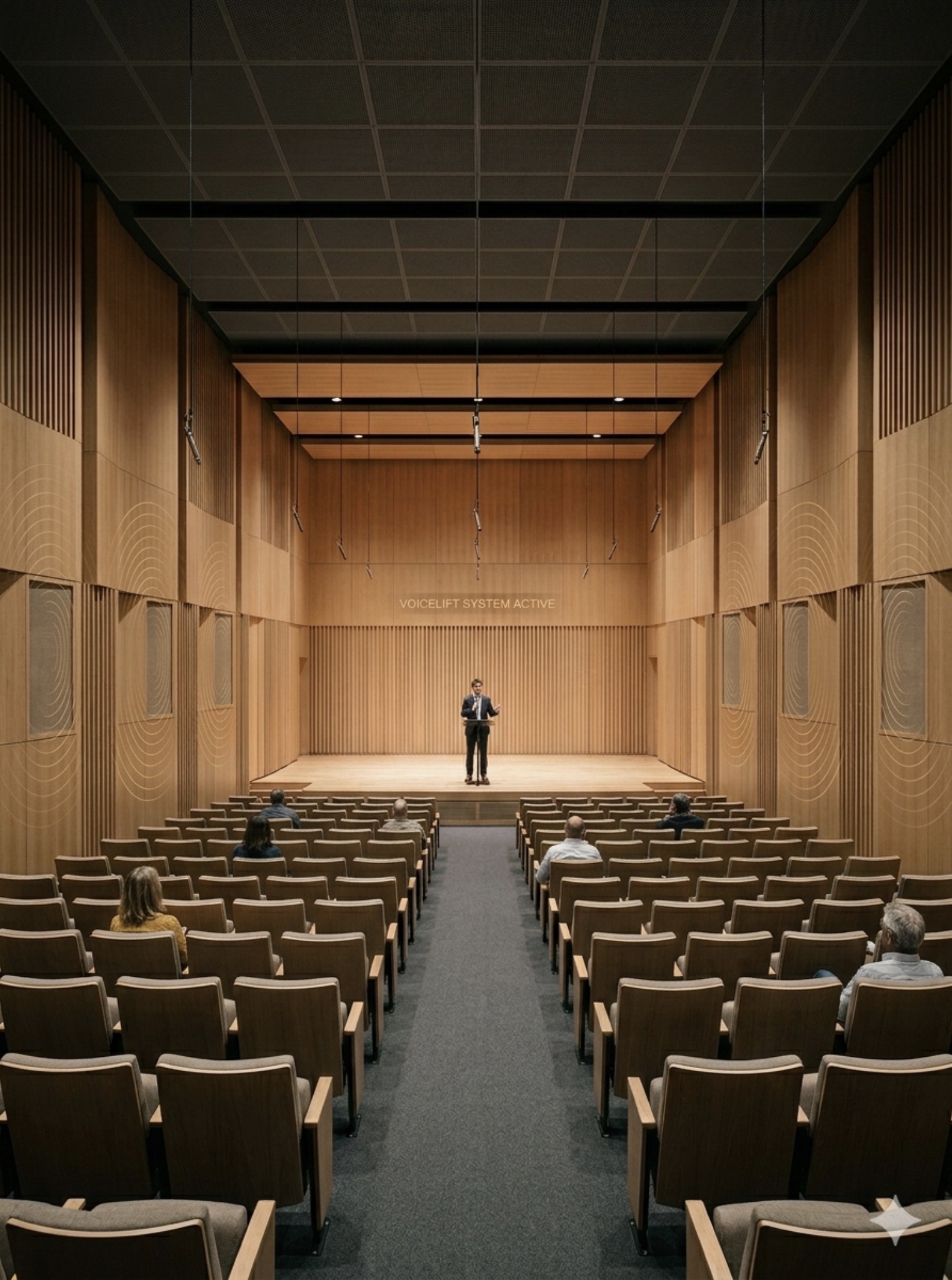

From the microphone to the IO system via the house infrastructure to the mixing console and the sound system. Stereo or immersive? The right concept for every application.

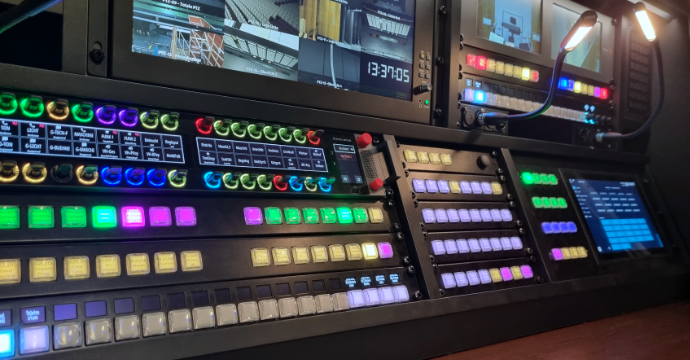
The transformation from analog to digital. IP-based media networks for your audio and video formats. Sometimes it's also allowed to be proprietary.

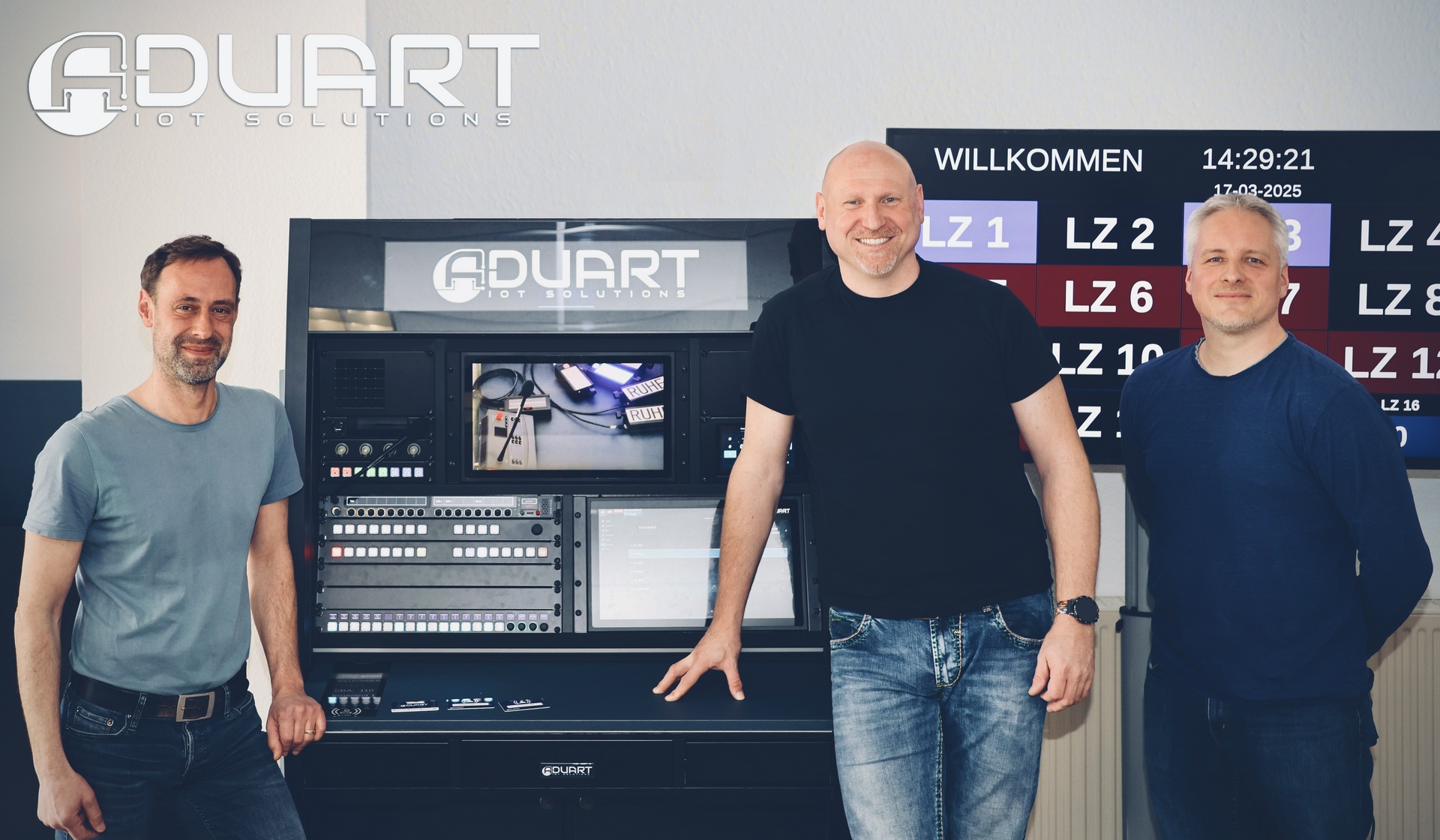
Behind the scenes of our culture, there are many trades to coordinate. Inspection systems as the core of the theater.

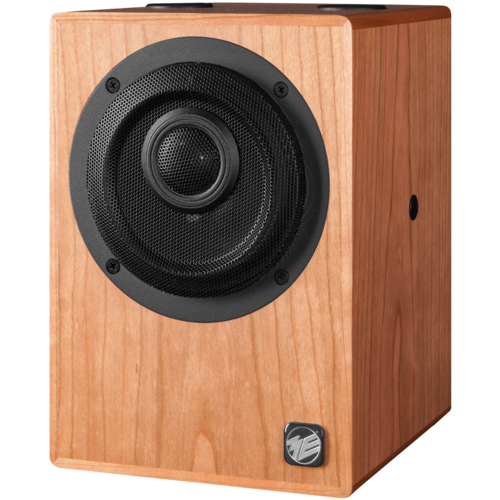
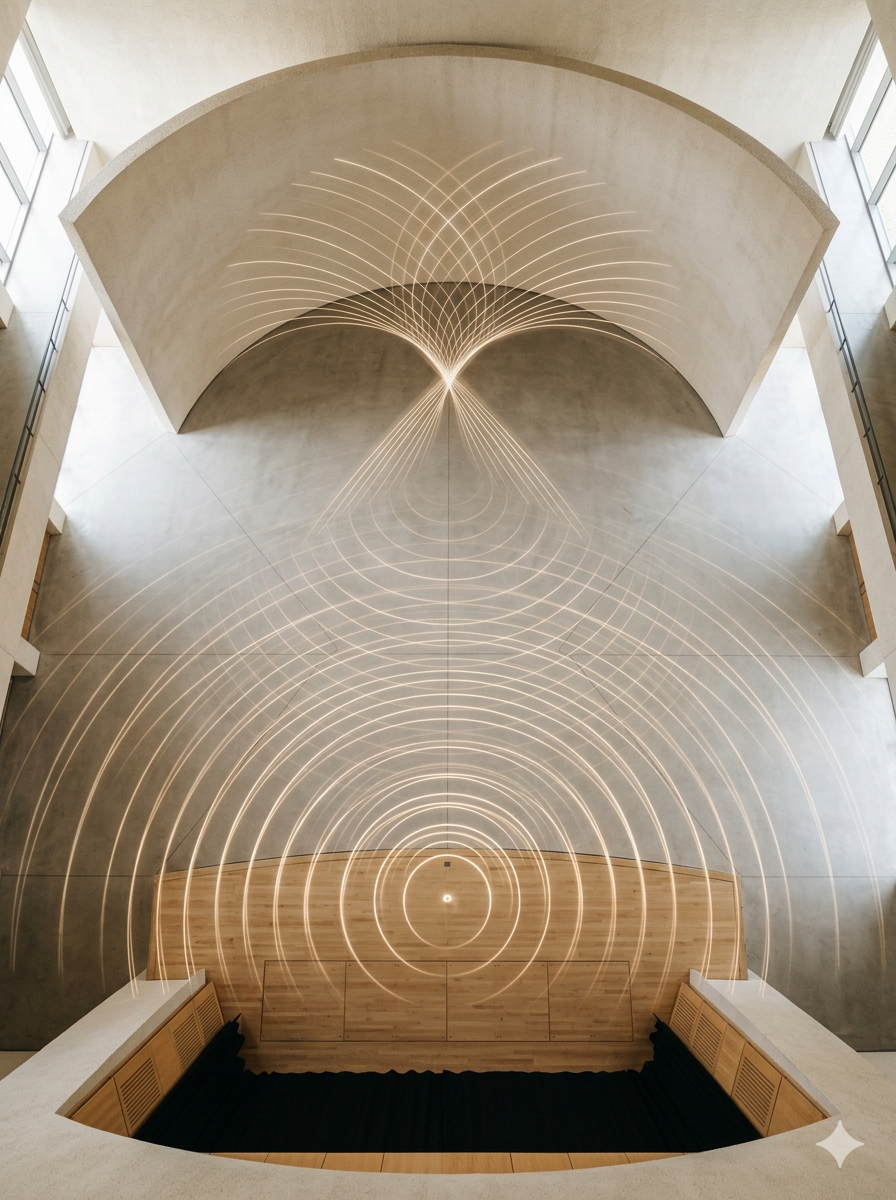
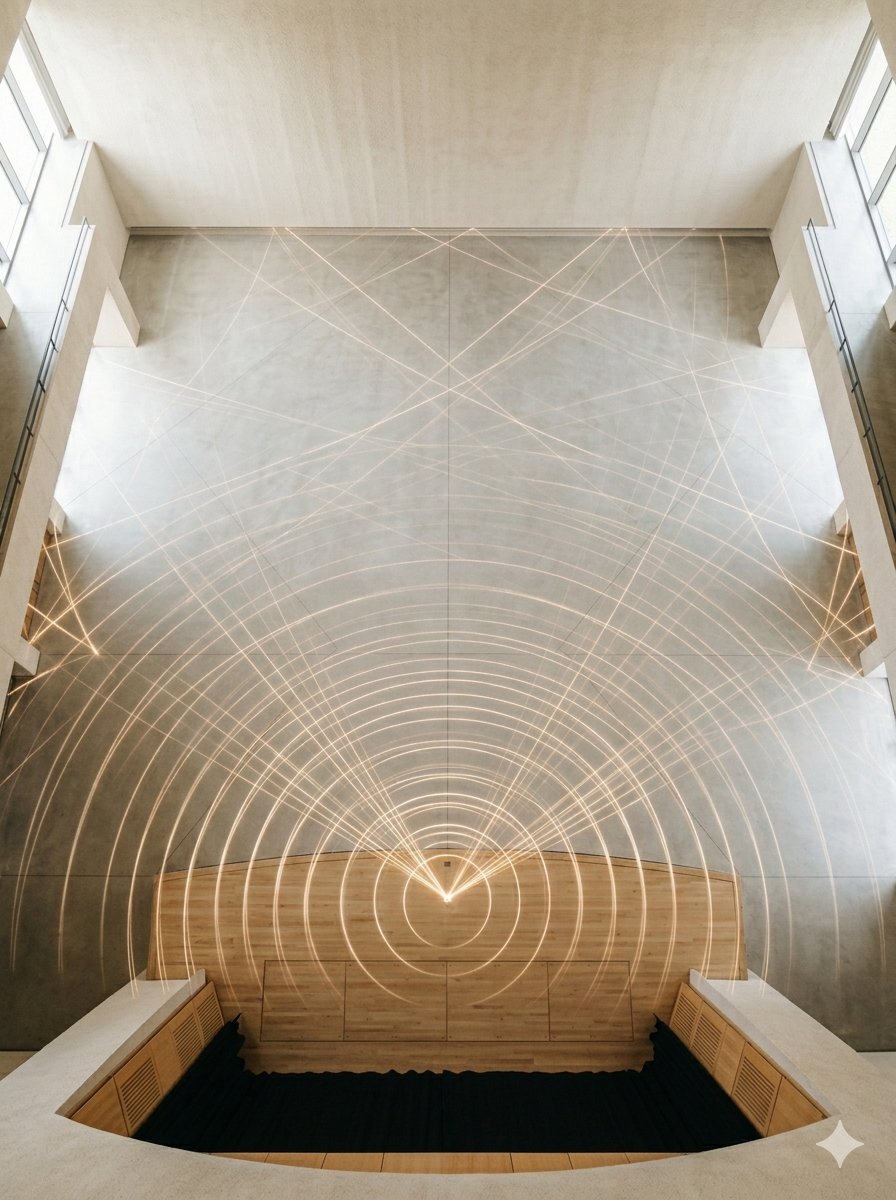
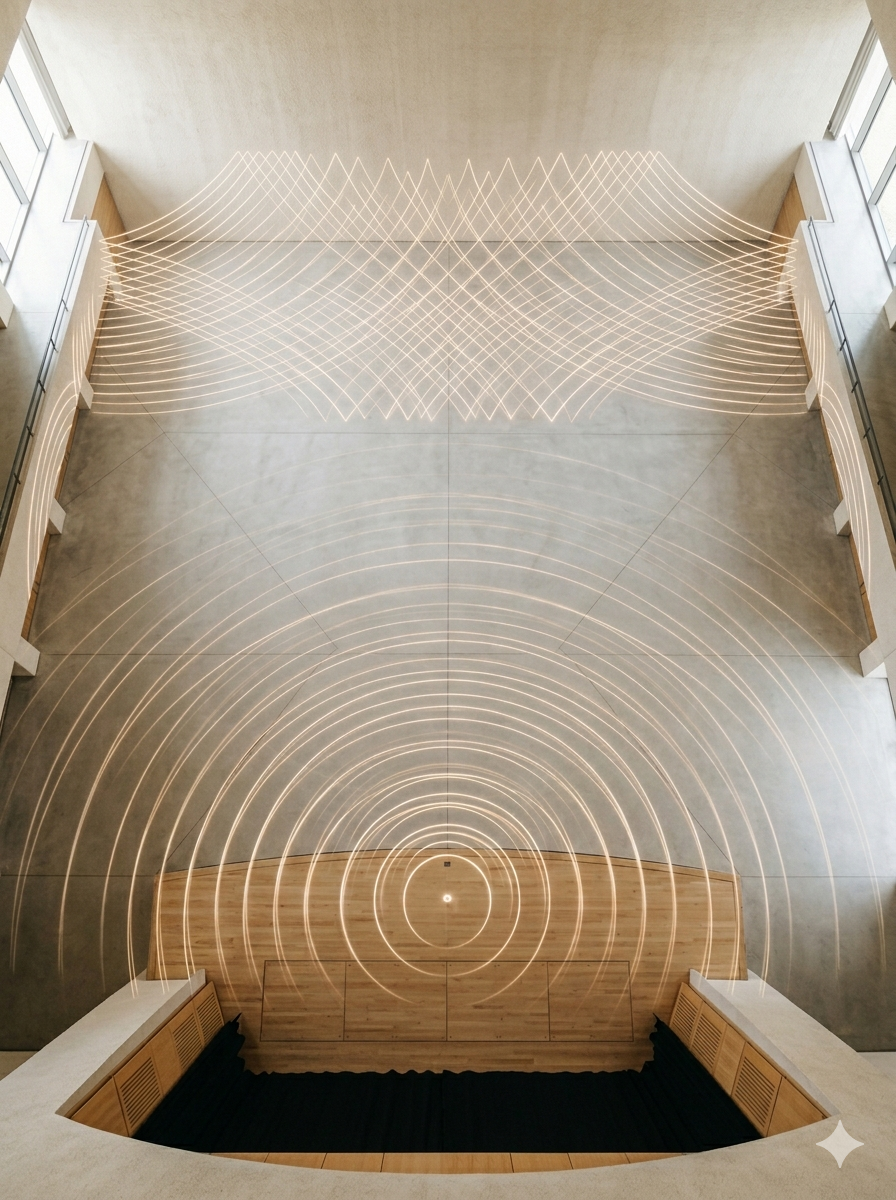
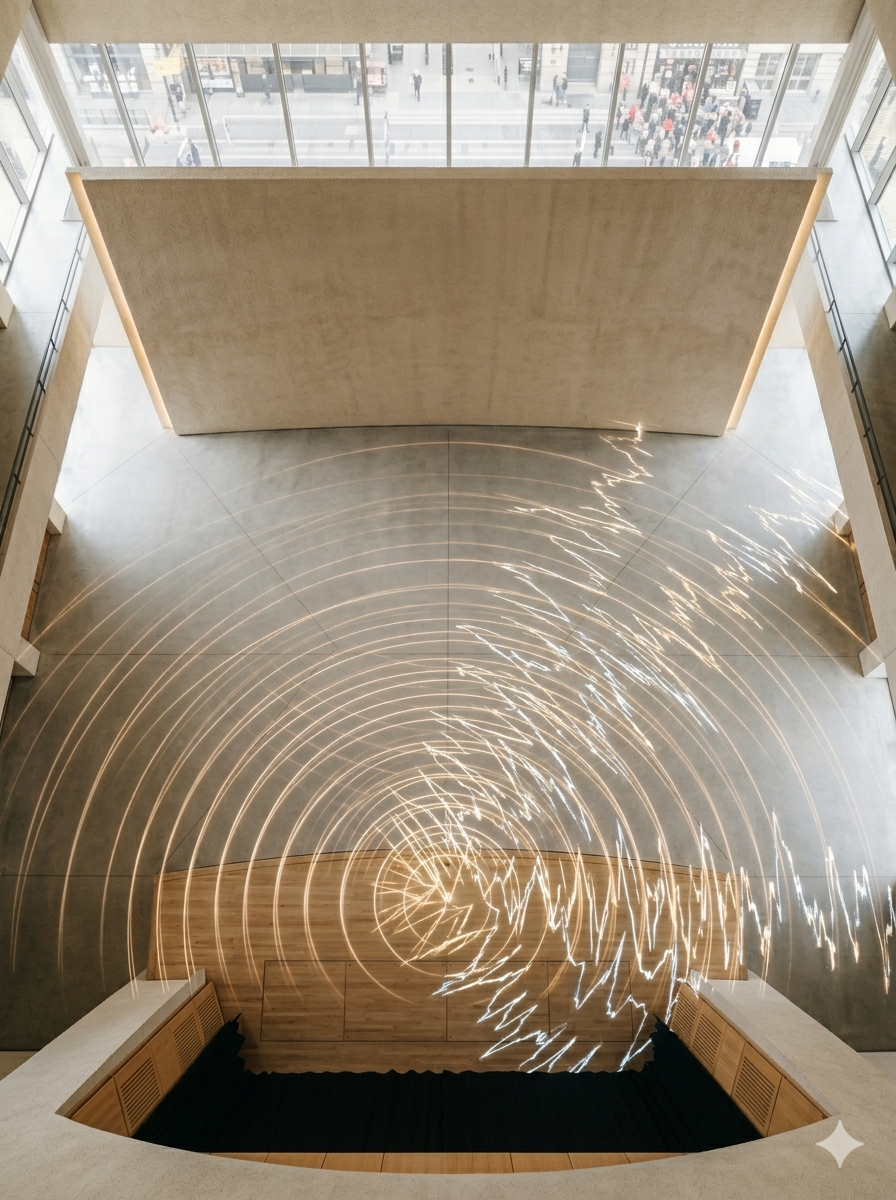
From the stage to the ceiling of the hall back to the rows of seats via the outer walls to the ear. The sound takes many paths and can be influenced during this process.
Pro Media Consult is your competent partner for consulting and planning in media technology. Our focus is on individual and practical support for theaters, opera houses, town halls, and cultural buildings, as well as companies in the events industry, such as rental and production companies. We also support broadcasting companies, recording studios, schools, universities, and commercial users in the field of professional audio and media technology.
Our expertise includes, among other things:
- Sound and audio systems for theaters, opera houses, and event halls
- Mixing console and audio network systems for broadcast and live productions
- Immersive audio and 3D sound solutions for creative soundscapes
- Conference and media technology for companies and educational institutions
- Technical conception, planning, and system integration for fixed installations
- Concepts for room and electroacoustic measures
Media technology systems are becoming increasingly complex. Their selection and implementation require in-depth knowledge and careful planning. Our expert advice ensures that your technical solutions are not only powerful but also future-proof, economical, and tailored to your needs. With our many years of experience and our deep understanding of professional media technology, we accompany you from the first idea to the successful implementation.
Integrated planning and cooperation - our business model for holistic media technology solutions. In modern project development, close cooperation between different trades is the key to efficient, future-proof, and high-quality solutions. Our business model is based on an integrative approach that networks all relevant disciplines in the fields of media technology, audio, video, lighting, and control technology.
Our approach: Interdisciplinary cooperation for maximum efficiency. As a project agency, we bring together specialist planners, engineers, and specialists from various fields to design projects optimally from the outset. Through early coordination and close cooperation, we avoid interface problems, reduce costs, and maximize efficiency in the preparation and implementation of complex media projects.
We want to consistently expand our network and offer users and service providers a joint platform for developing their ideas and concepts. Feel free to contact us. We can all benefit from each other.
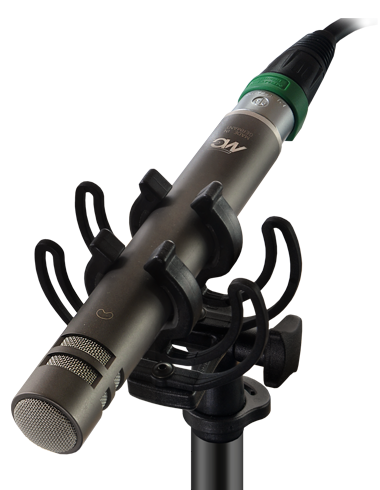
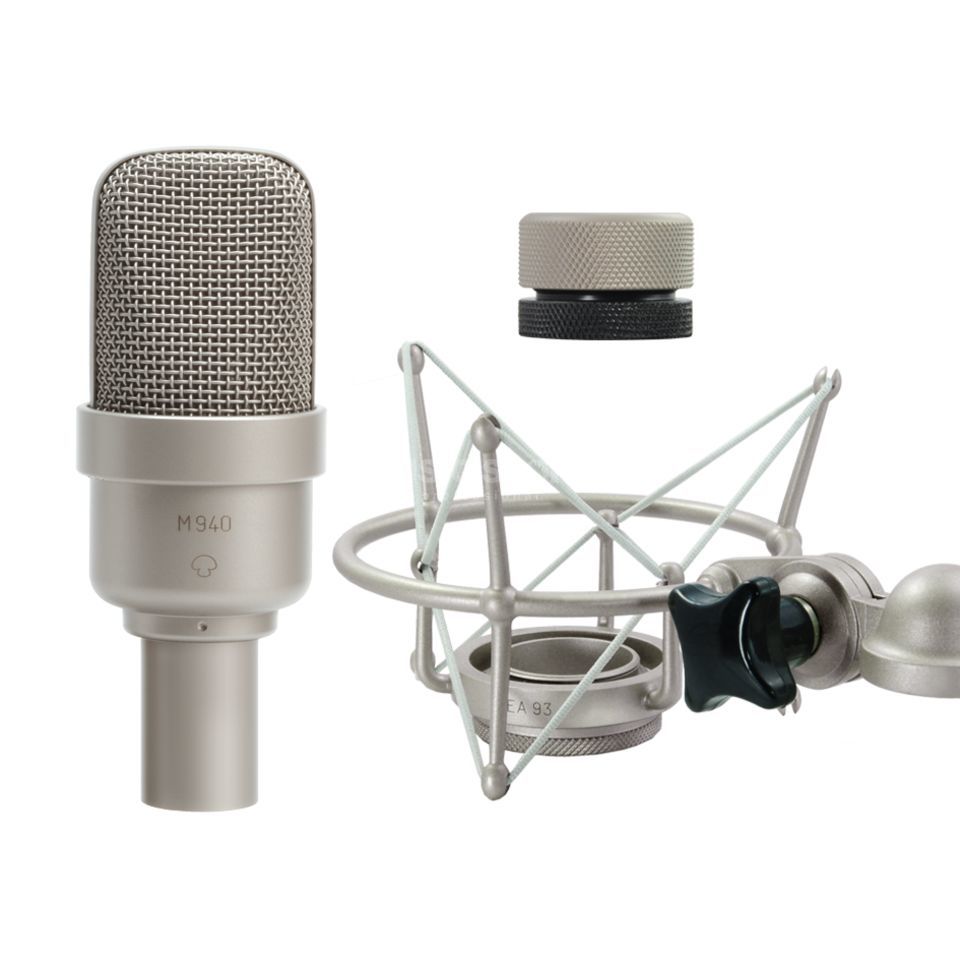
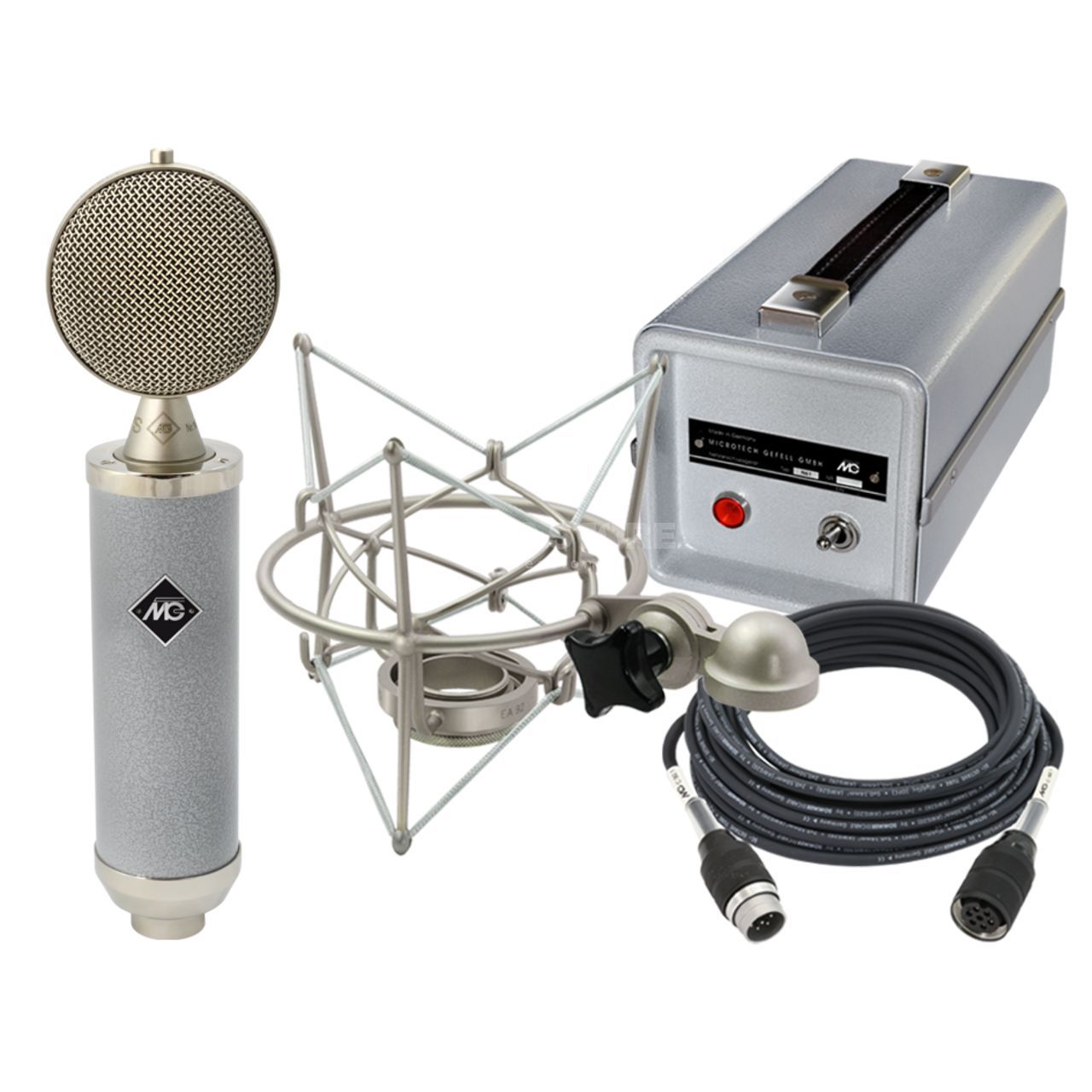
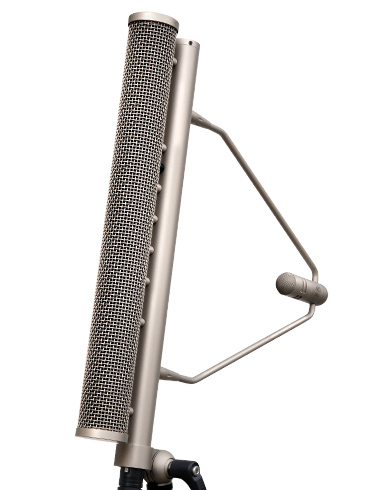
Microphone technology deals with the electroacoustic conversion of sound field sizes into proportional voltage curves, whereby a frequency- and phase-correct signal image is realized by the targeted selection of converter principles and directional characteristics, taking into account complex room acoustic parameters and diffuse sound fields.
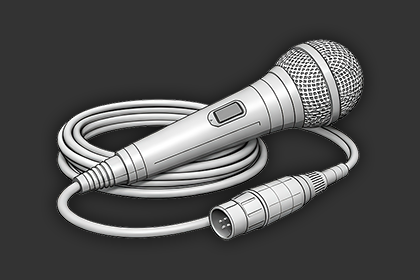
Cable-bound microphone systems guarantee a latency-free and interference-resistant audio signal transmission via symmetric transmission paths, whereby capacitive or electrodynamic converters are operated by external phantom power to ensure the highest transient reproduction, maximum dynamic ranges, and uncompromising signal integrity in critical production and installation environments.

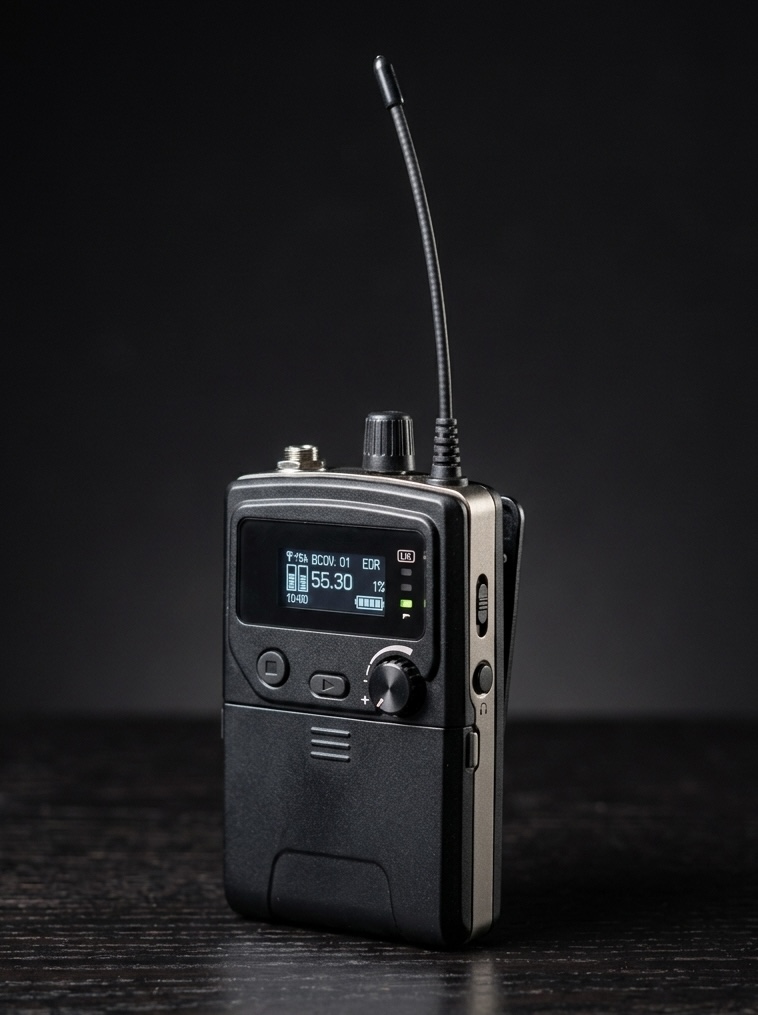
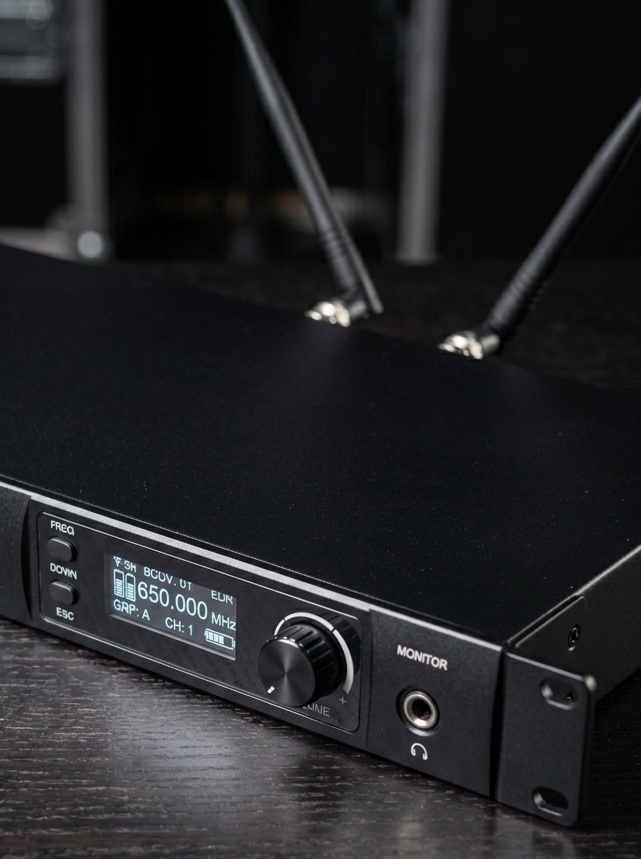
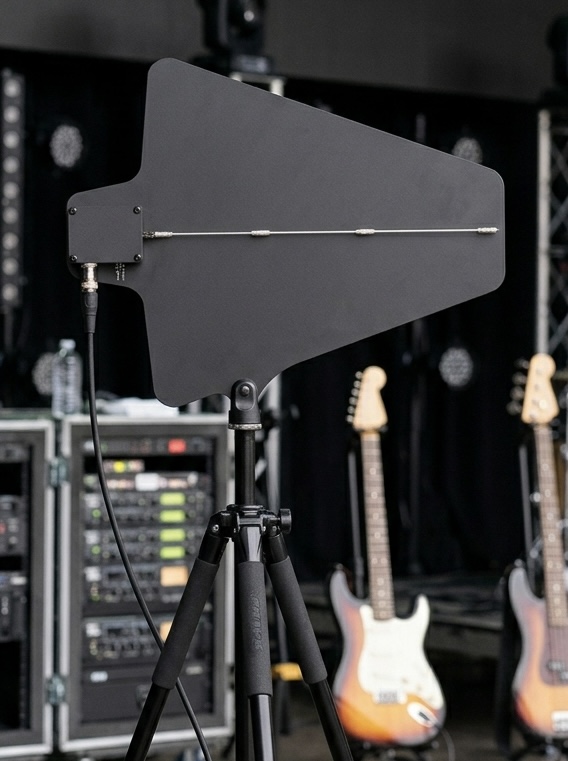
Wireless microphone systems use analog or digital HF modulation methods for signal transmission, whereby advanced True-Diversity reception technology, spectral efficiency through equidistant frequency grids, and AES-256 encryption ensure an artifact-free, intermodulation-free, and tap-proof audio transmission to meet the increasing demands of complex frequency management systems.
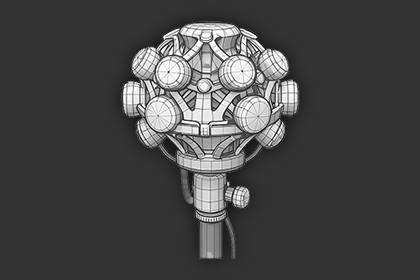
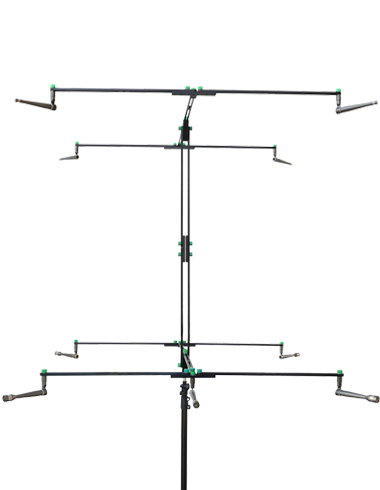
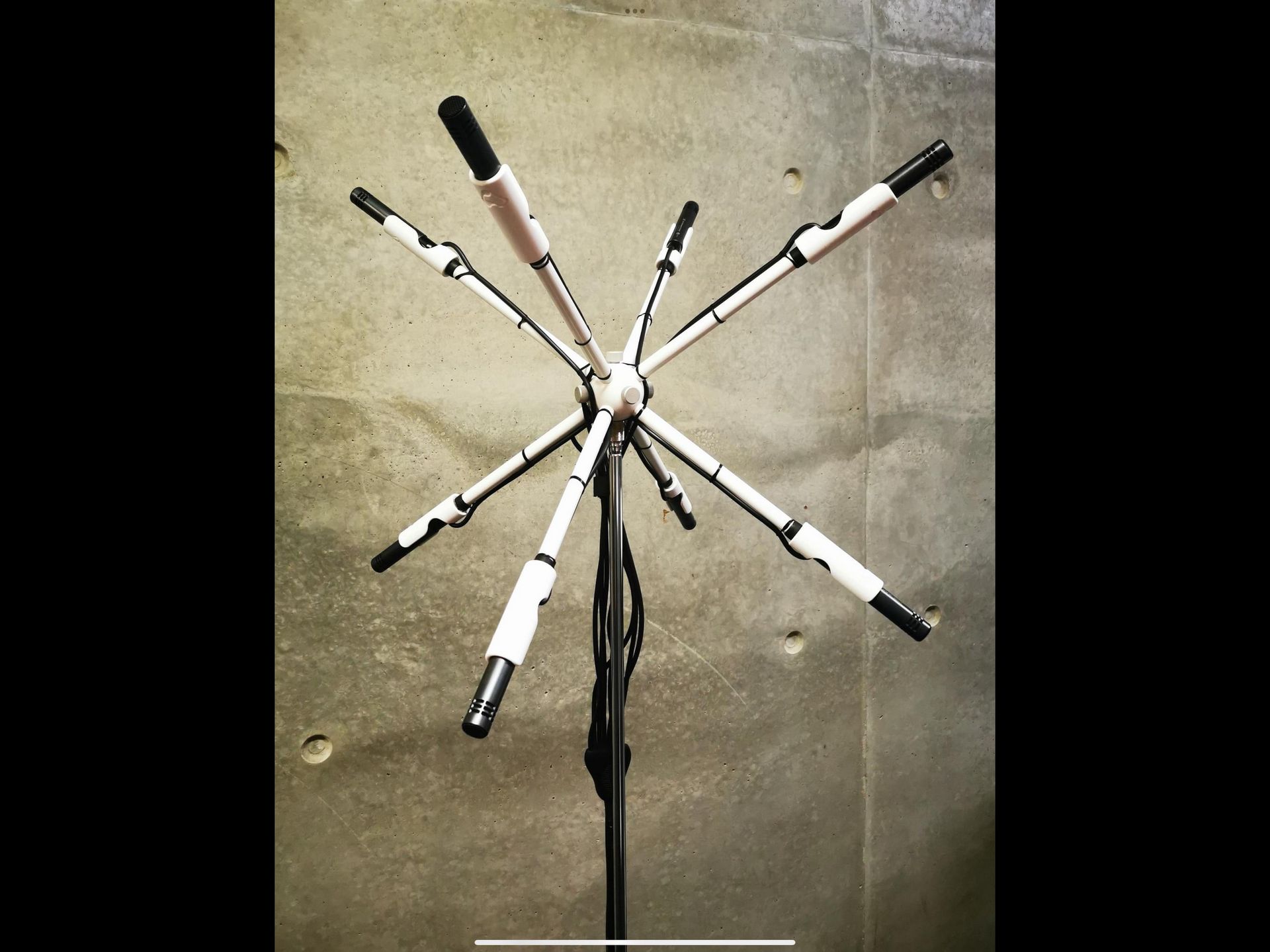
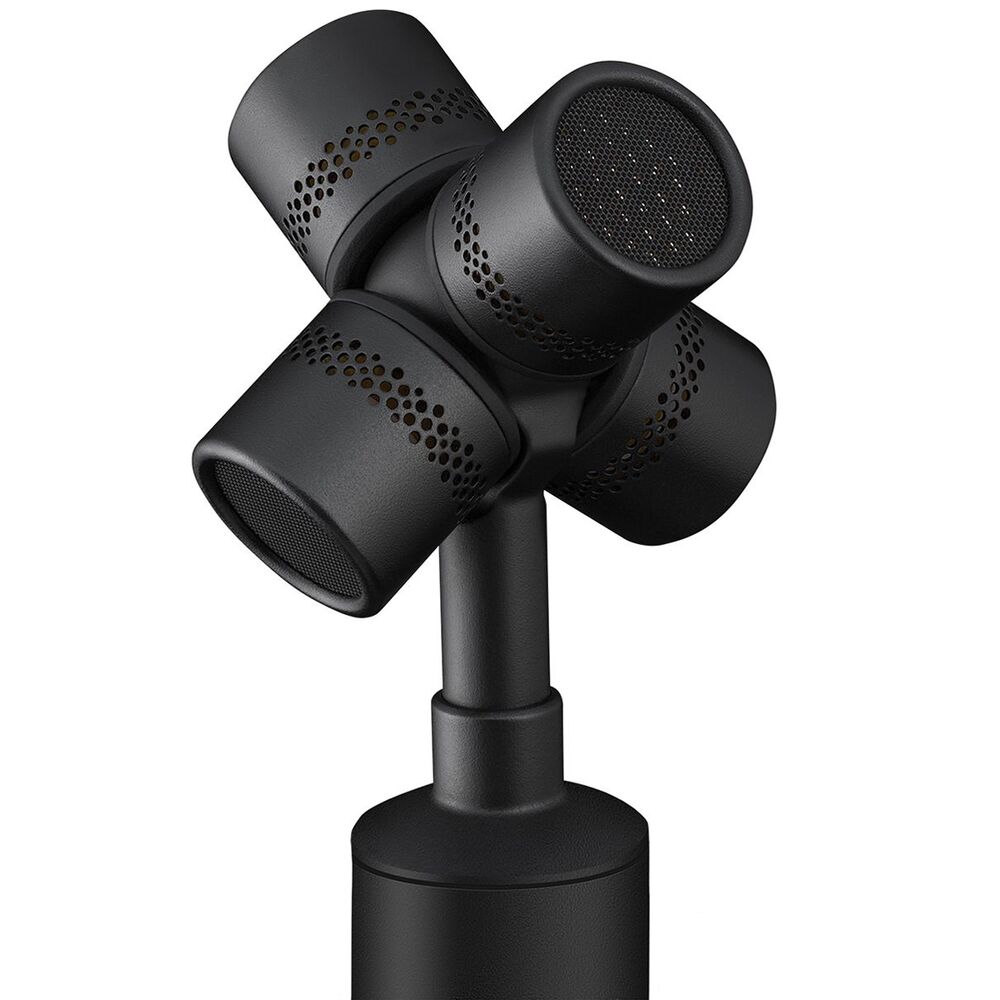
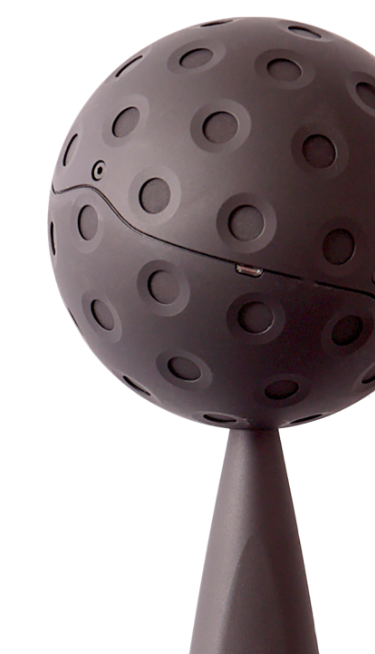
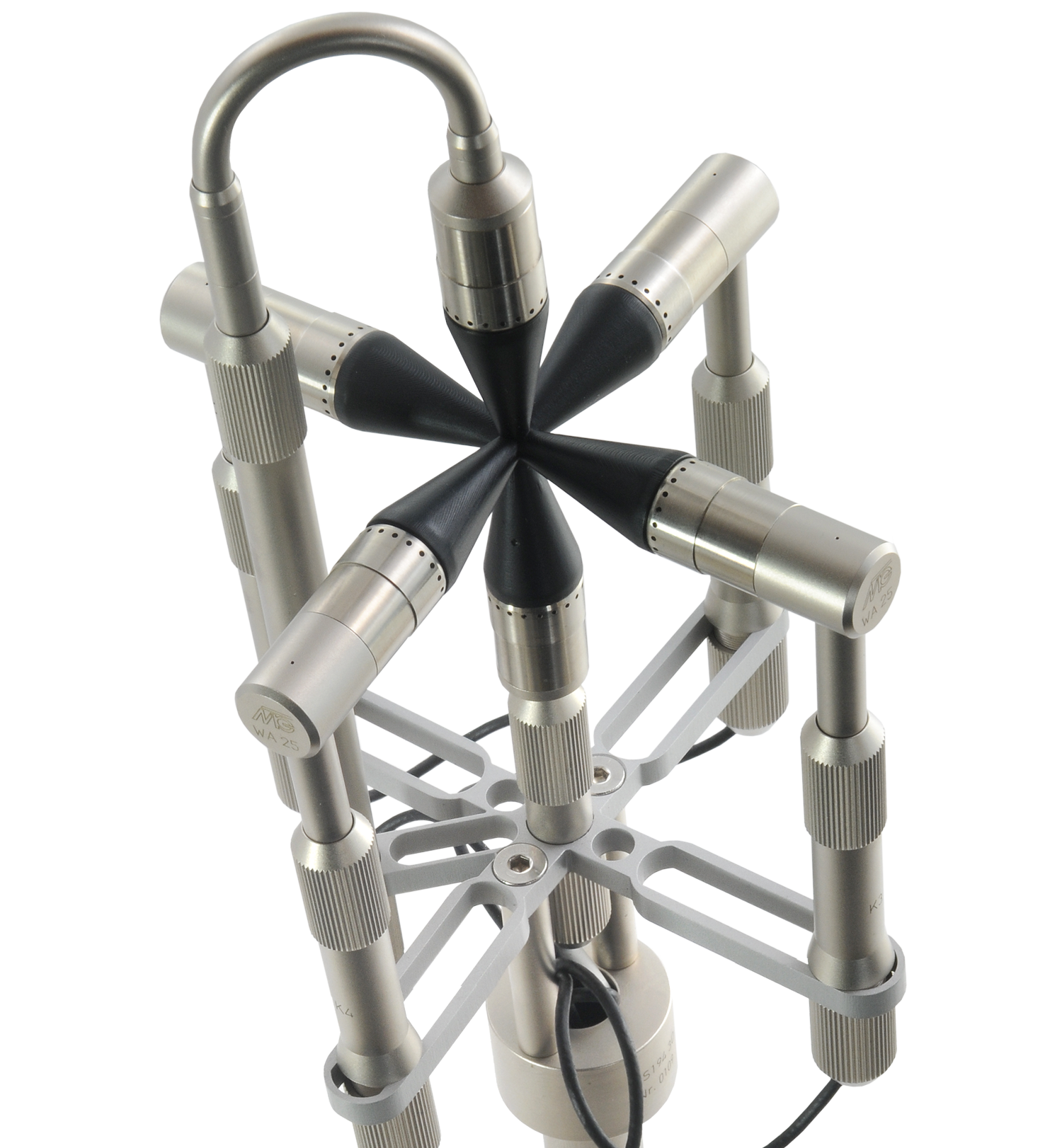
Immersive microphone arrays, based on Ambisonics or coincidence topologies, capture three-dimensional sound fields through discrete capsule arrangements, whose signals are transformed into spherical harmonic components via matrix decoding to enable format-independent, object-based audio reproduction for spatial audio and VR applications with the highest localization sharpness.
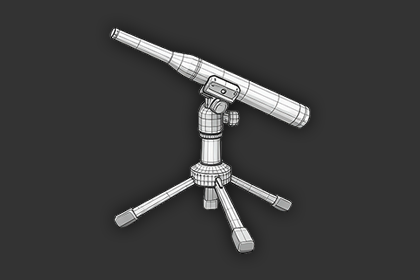
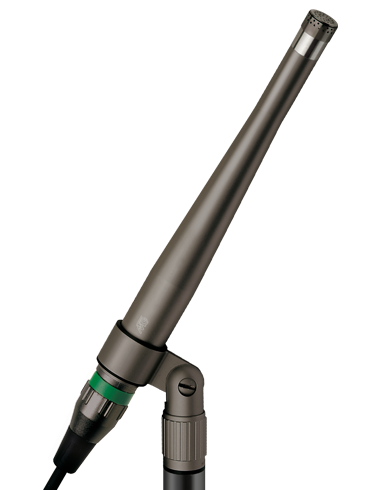
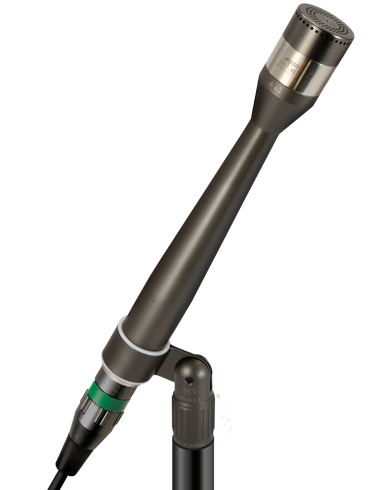
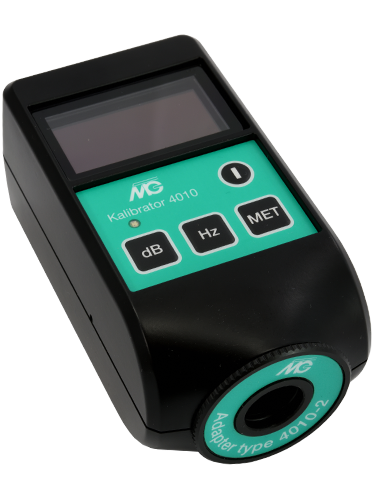
Electroacoustic measurement microphones use prepolarized condenser capsules with omnidirectional pressure receiver characteristics, which enable high-precision acoustic analyses such as FFT-based transfer function measurements, impulse response evaluations, and calibrated sound pressure level determinations in investigation scenarios, thanks to a strictly linear frequency response and defined diffuse field correction, to ensure norm-compliant certifications.
Symmetric audio input systems serve the galvanically isolated and impedance-matched acquisition of mic and line levels, whereby high-quality input transformers or electronic symmetrization stages realize an effective common-mode rejection (CMRR) to significantly minimize electromagnetic interference and hum loops in extended, complex signal networks.
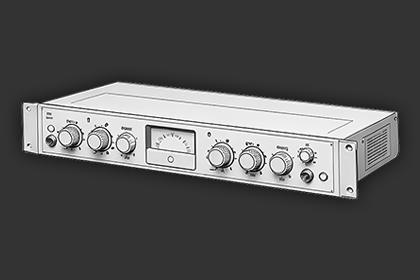
Discrete preamplifier stages with ultra-low self-noise condition analog small signals for subsequent A/D conversion, where high-resolution Delta-Sigma modulators transform time- and value-continuous voltages into jitter-free, PCM-coded digital bit streams with maximum signal-to-noise distance through high oversampling and anti-aliasing filtering.
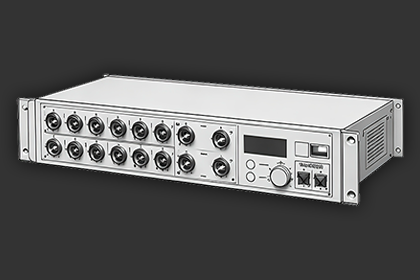
Digital stage box topologies serve as decentralized I/O nodes, converting microphone signals directly at the point of origin and multiplexing them over redundant Layer 2 or Layer 3 network architectures, thereby eliminating ohmic cable losses and capacitive high-frequency drops and enabling far-reaching, real-time-capable multi-channel routings in complex event infrastructures.
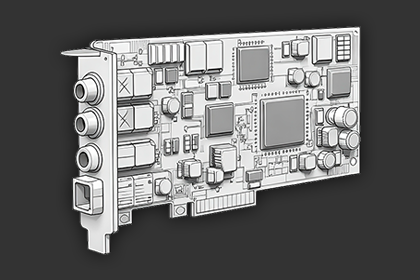
PCIe-based audio interfaces offer extremely broadband and CPU-relieving bidirectional data transfer through direct connection to the host system bus, guaranteeing minimal round-trip latency for real-time-critical DSP calculations in native digital audio workstations when processing high-channel I/O streams using Direct Memory Access (DMA).
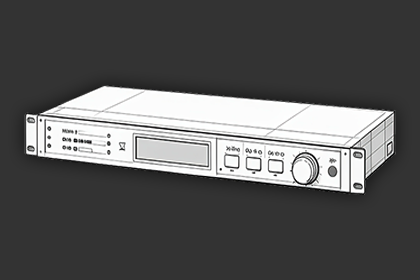
Bus-powered USB and Thunderbolt interfaces use isochronous data transfers for asynchronous audio transmission, where dedicated DSP mixers and extremely jitter-free word clock generators realize a phase-true conversion and latency-free direct monitoring, combining professional recording topologies with maximum portability and system-spanning driver efficiency.
The systemic audio infrastructure includes fault-tolerant star or ring topologies for signal distribution, ensuring dynamic, format-spanning signal routing and centralized failure management for safety-critical audio and control networks in large-format production environments through the implementation of redundant fiber-optic backbones and network-based crossbars.
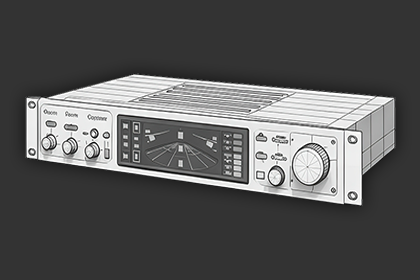
Freely programmable DSP matrices and spatial audio renderers use powerful FPGA or SHARC architectures to calculate complex FIR/IIR filter structures and wave field synthesis algorithms, realizing a phase-linear system correction, runtime-corrected speaker alignments, and object-based, three-dimensional positioning of discrete audio sources in the immersive sound context.
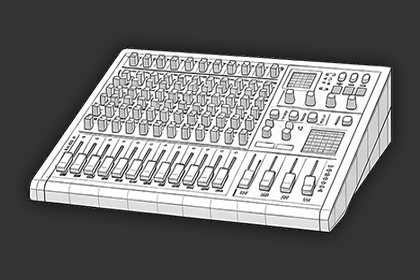
Mixing console architectures serve the summation and dynamic processing of discrete audio channels, where analog consoles convince through harmonic saturation and VCAs, while digital work surfaces offer maximum scalability for complex live and broadcast mixes through FPGA-supported signal processing, total recall capability, snapshot automation, and deep network integration.
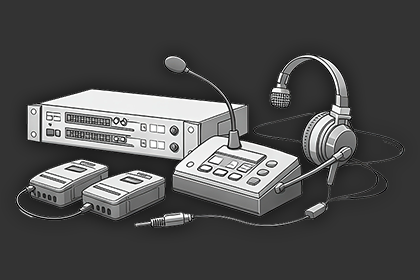
Full-duplex intercom systems are based on AES67 or proprietary IP protocols and use distributed matrix architectures for low-latency, multi-channel communication routing, ensuring highly intelligible, isolated speech communication between all production-relevant departments in heavily noise-polluted environments through integrated echo cancellation and dynamic noise reduction.
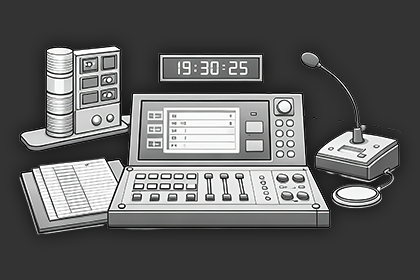
Stage management communication systems combine safety-critical paging and cue light infrastructures in central control units, operating over redundant field bus or IP networks and integrating prioritized override functions, programmable relay switching, and bidirectional audio feeds to guarantee deterministic process control and failure signaling in complex theater and event productions.
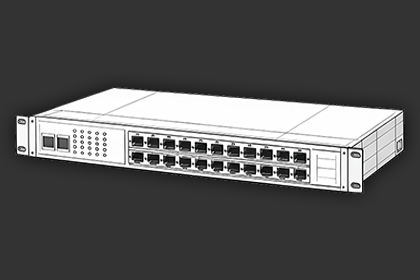
Convergent IP media networks according to standards like SMPTE ST 2110 or AES67 ensure frame-synchronous, uncompressed transmission of audio, video, and PTP clock data over COTS switches, where Quality of Service (QoS) and multicast routing protocols guarantee deterministic, latency-minimized signal distribution in far-reaching broadcast and installation topologies.

Professional digital audio workstations (DAW) and system design software solutions implement highly precise 64-bit floating-point audio engines for phase-correct, non-destructive signal processing, while acoustic simulation programs use boundary element methods (BEM) or ray tracing algorithms to validate predictive electroacoustic system planning and complex room acoustic analysis in the virtual space.
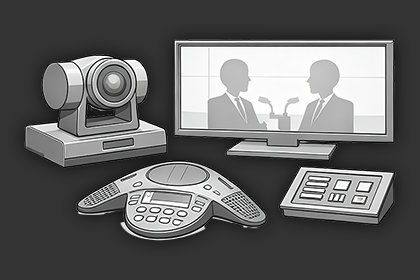
Digital discussion systems integrate decentralized DSP algorithms like acoustic echo cancellation (AEC) and automatic gain control (AGC) into cascaded speaker network topologies, connected via Dante or proprietary bus architectures, to realize automated, feedback-free speech amplification including ISO-compliant simultaneous interpretation technology and camera tracking.
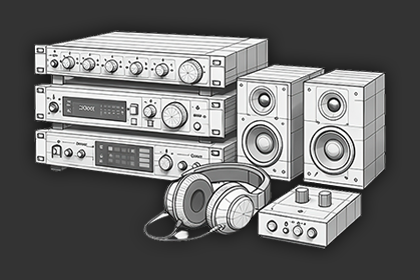
Signal-processing music electronics include specialized impedance converters (DI boxes), analog outboard processors, and MIDI/OSC control protocols, used for level and impedance matching, transistor-based or tube-based saturation, and precise dynamic control of instrument signals to optimize transient reproduction in critical studio and live environments.
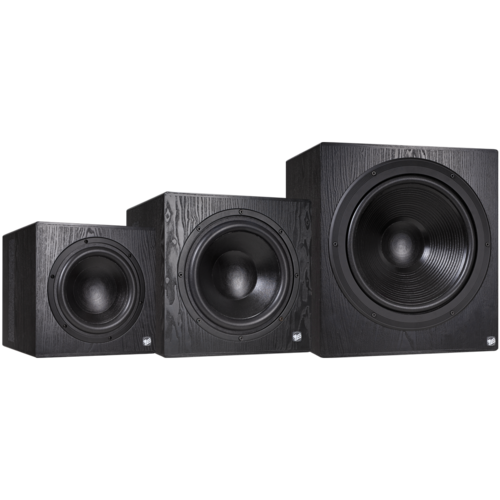
Electroacoustic sound transducers for professional use utilize neodymium-based drive systems and horn-loaded compression drivers to guarantee high power density, minimal power compression, and coherent phase behavior, which is essential for both room and in-ear sound transducers to achieve artifact-free, impulse-accurate transient reproduction.
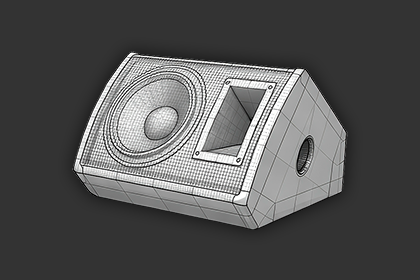
English floor monitors exhibit an asymmetrical, frequency-dependent radiation behavior, which is optimized by coaxial chassis arrangements or dedicated waveguides to generate a defined sound field with a high directivity index (DI) on stage, thereby minimizing comb filter effects and maximizing the gain-before-feedback limit.
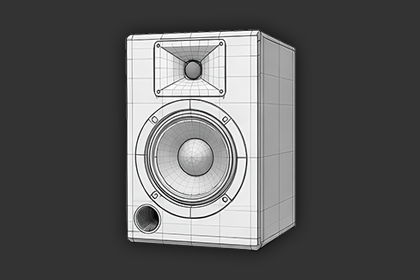
English studio monitoring systems require strictly linear amplitude and phase responses, which are realized through DSP-supported frequency crossovers and acoustically optimized sound walls (baffle-step correction) to ensure a coloration-free, analytical evaluation of the phantom center, depth layering, and spectral balancing within the reflection-free sweet spot of the control room environment.
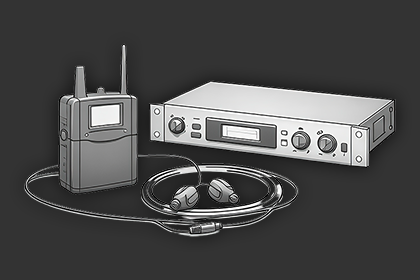
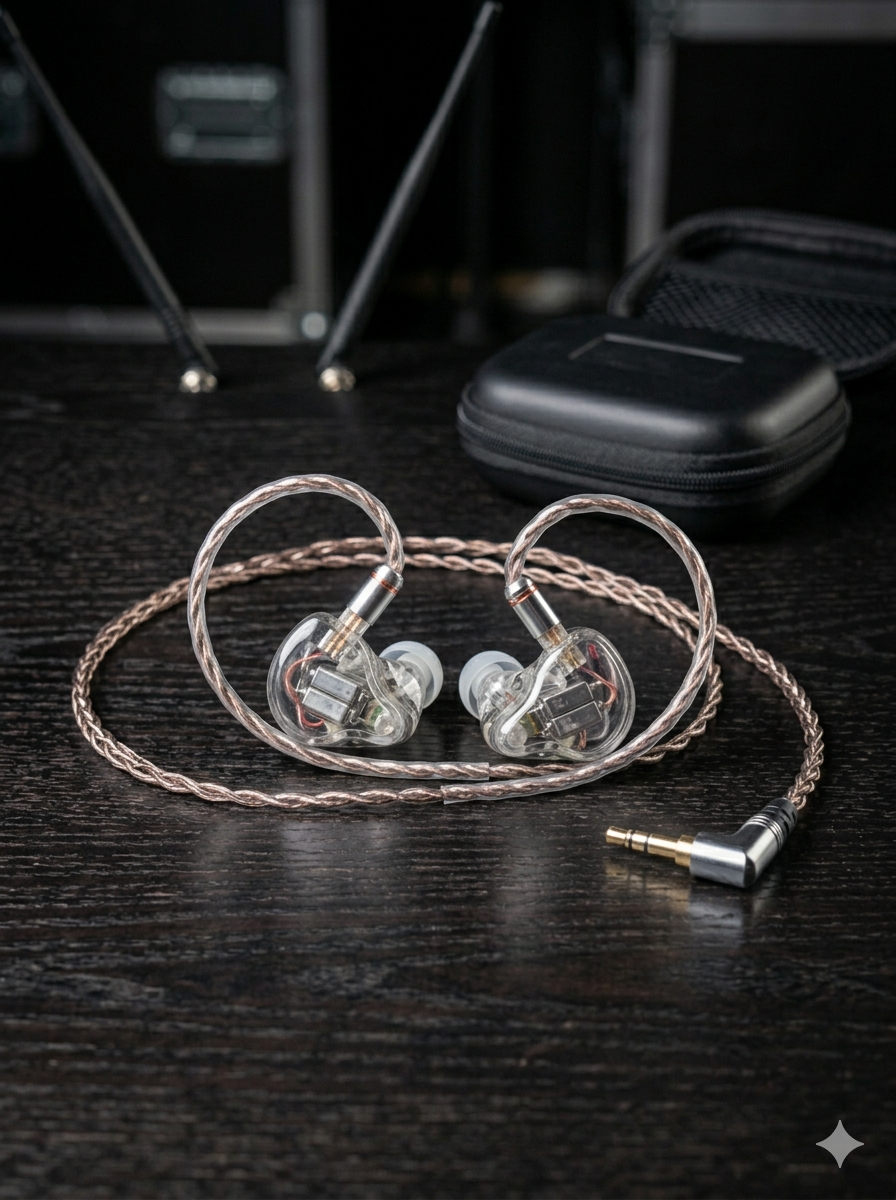
English intraaural monitoring systems isolate the ear canal through earplugs from diffuse stage sound levels and use multi-balanced armature drivers with passive crossover networks to generate a phase-coherent, broadband sound image directly at the eardrum, enabling a drastic reduction of the on-stage SPL and a high-resolution binaural control.
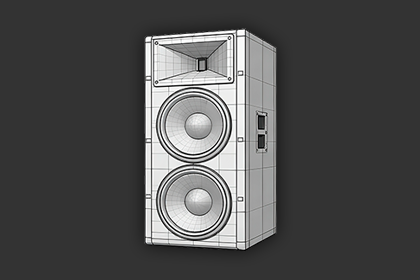
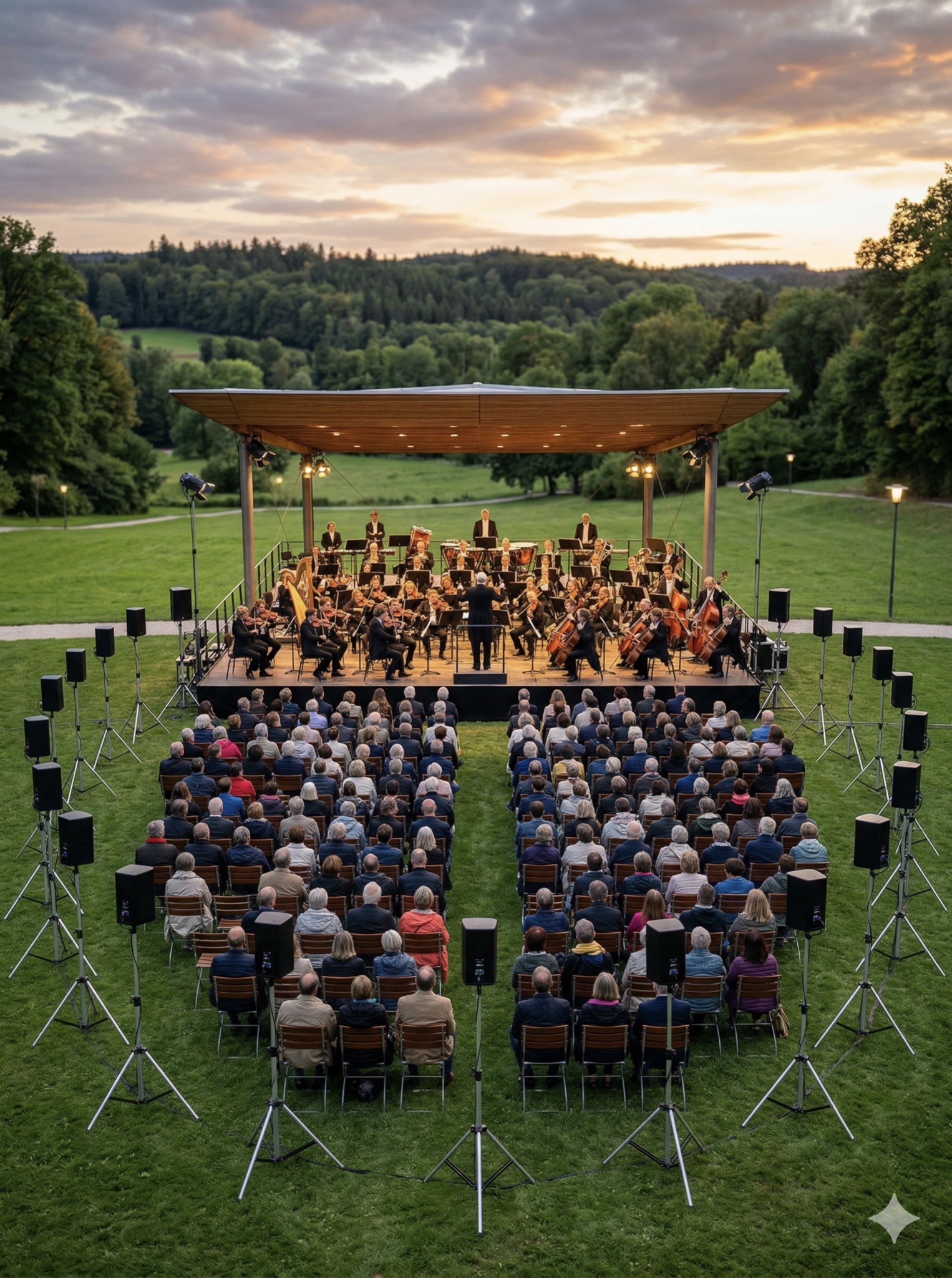
English point source systems are based on coaxial or conventional multi-way designs with defined CD horns (constant directivity) that produce a spherical wavefront propagation to ensure a phase-accurate, coloration-free coverage in near and medium field scenarios without the destructive interferences of distributed sound sources.
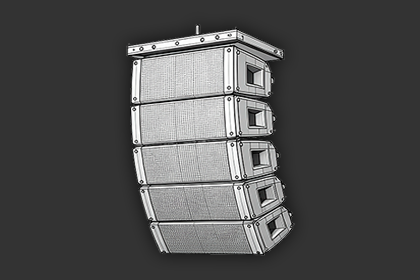
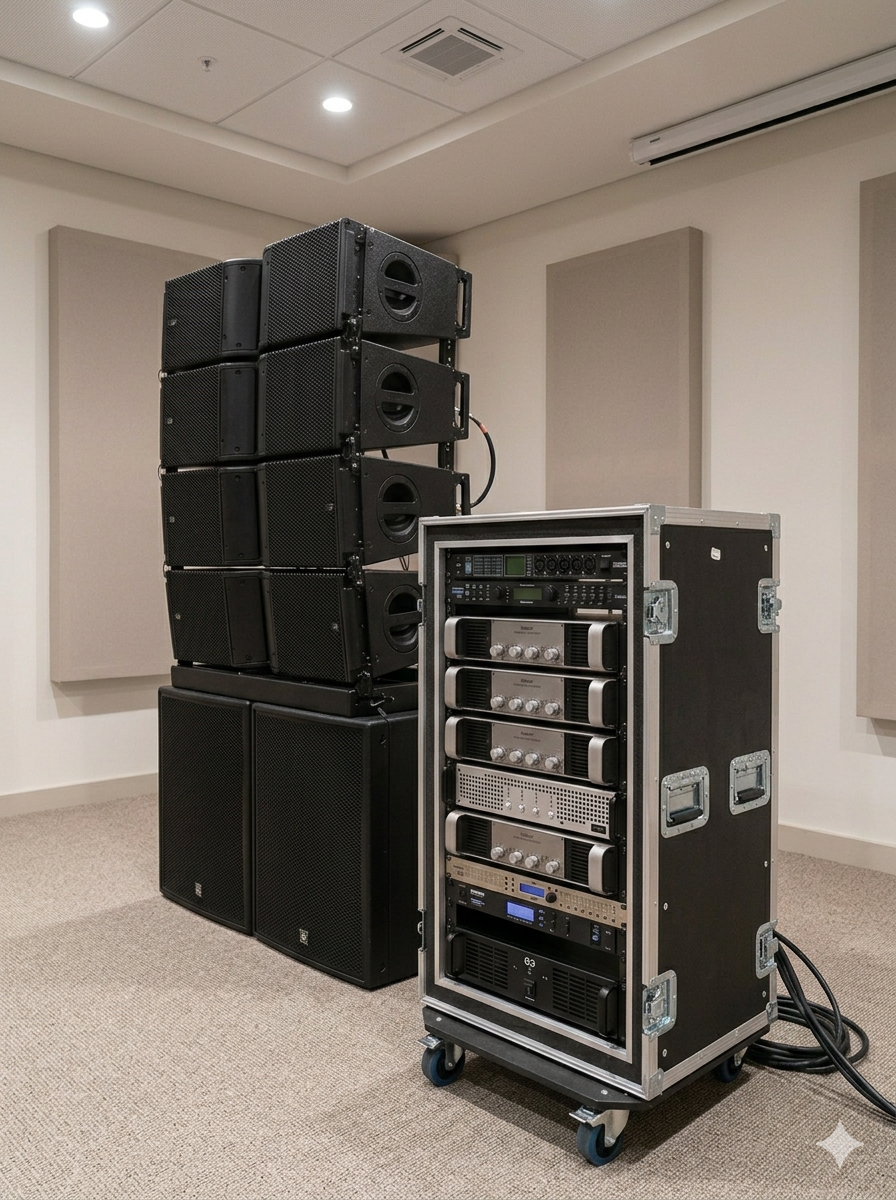
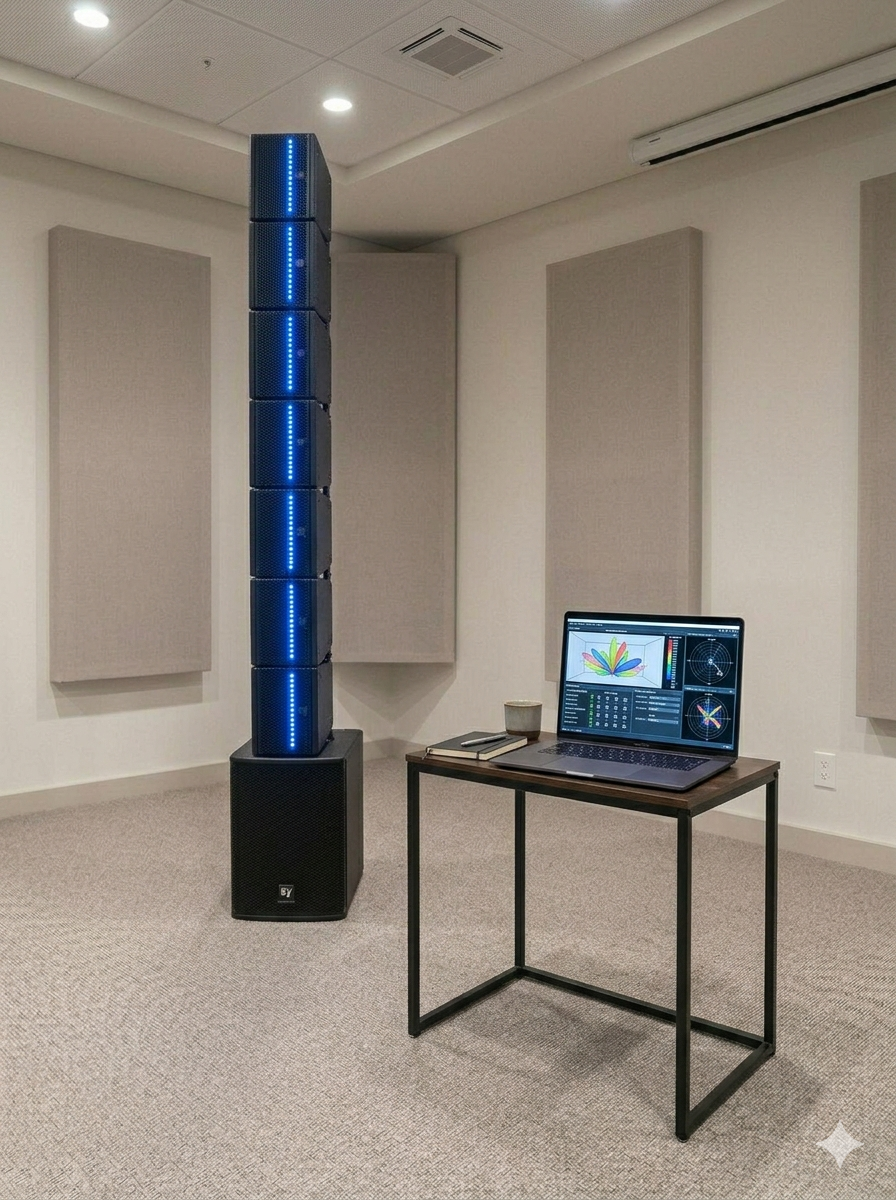
English line array topologies utilize the principle of cylindrical wavefront coupling through vertically closely spaced, acoustic centers and special waveguides that minimize destructive interferences and reduce the level decrease to 3 dB per doubling of distance to realize a homogeneous sound pressure distribution and maximum throw in large-scale sound reinforcement scenarios.
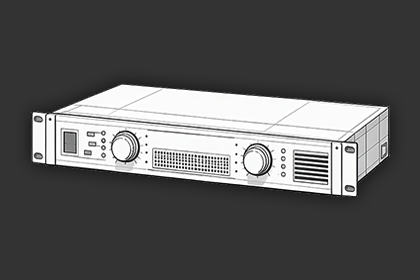
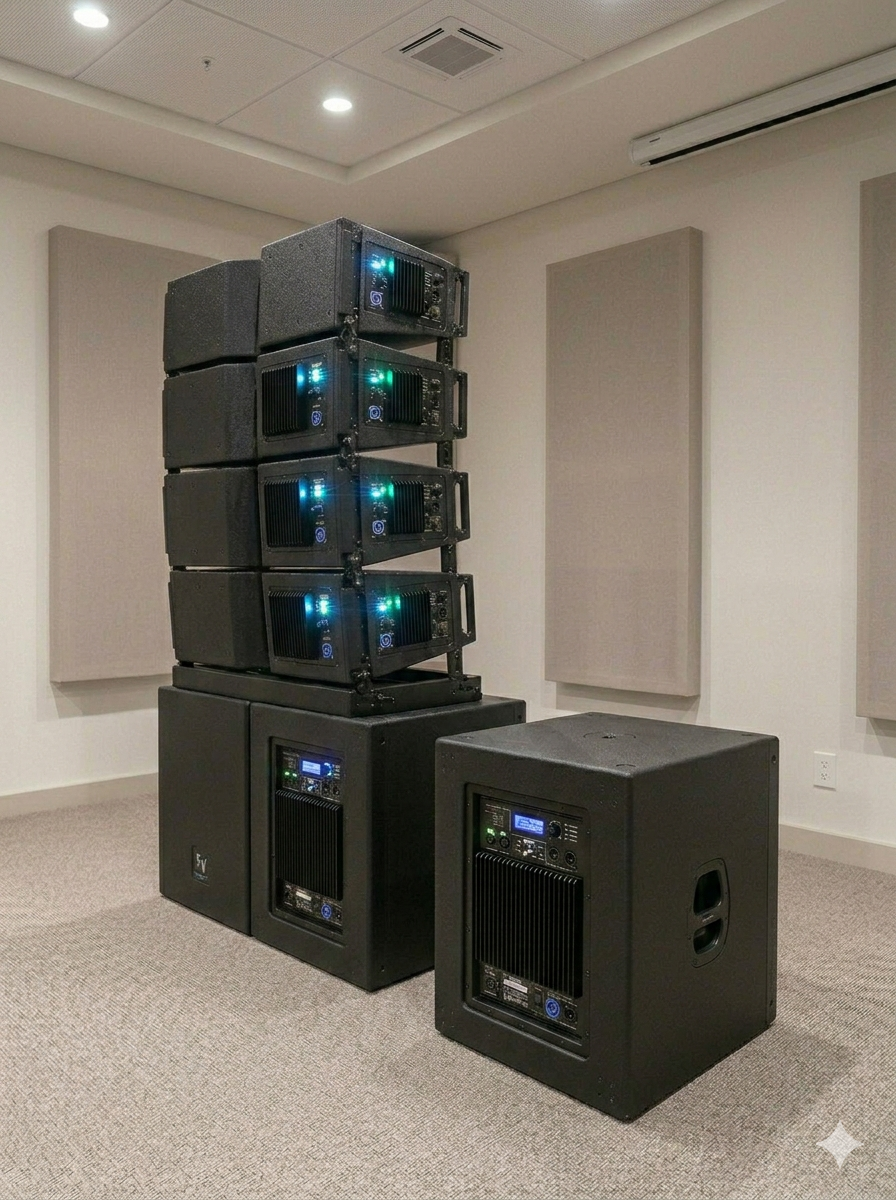
English class-D power amplifiers with switch-mode power supplies deliver highly efficient transient reproduction at massive output power, where optional, integrated DSP engines implement IIR/FIR filtering, predictive peak/RMS limiting, and load-dependent impedance monitoring (load monitoring) to ensure the acoustic system alignment, component protection, and telemetry via Ethernet networks in real-time.
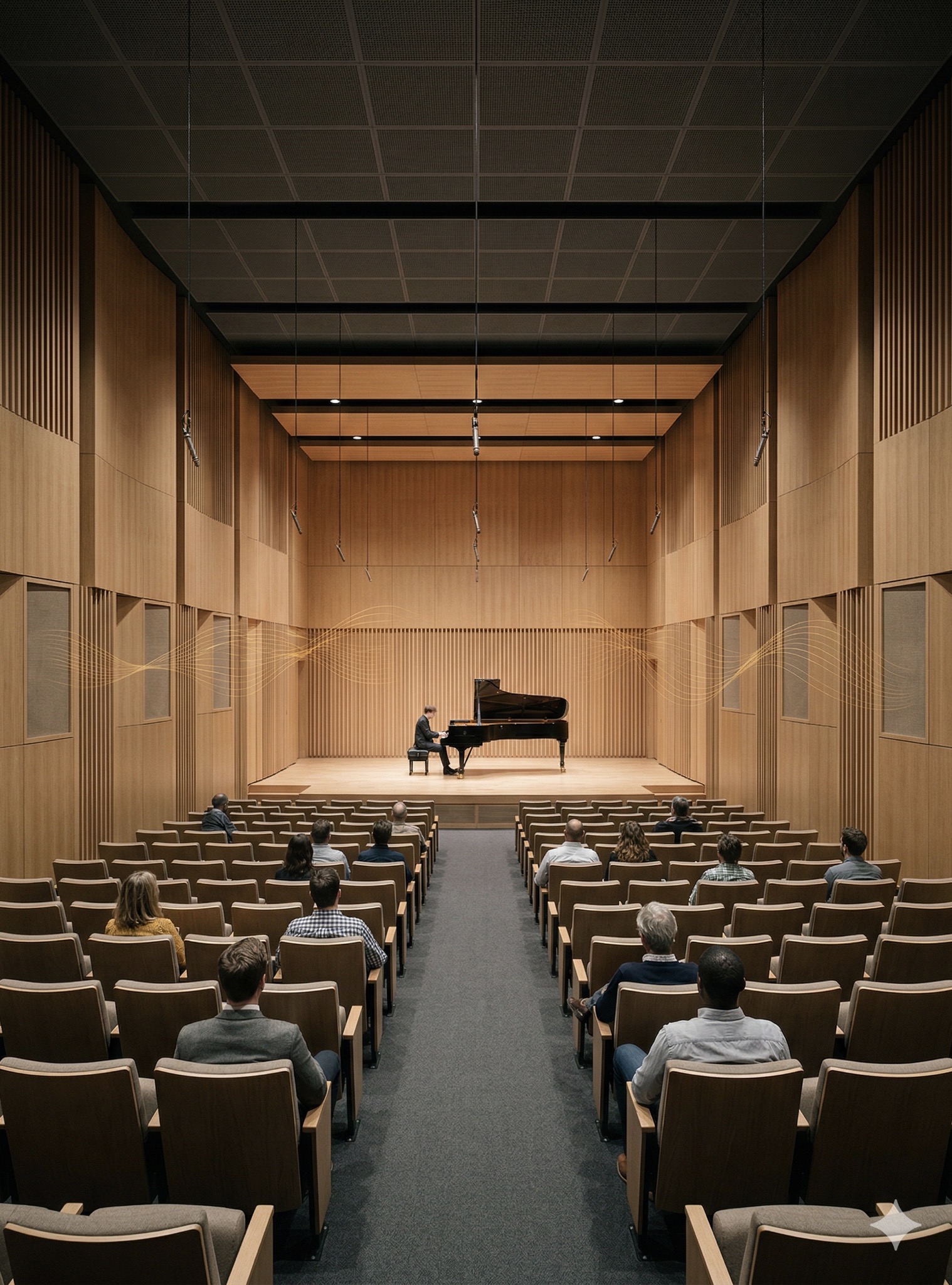
English room acoustics analyze the complex sound field behavior in enclosed volumes using wave theoretical and statistical methods to precisely determine the acoustic quality for dedicated usage scenarios through the evaluation of parameters such as the reverberation time (RT60), the speech transmission index (STI), and the clarity (C80).
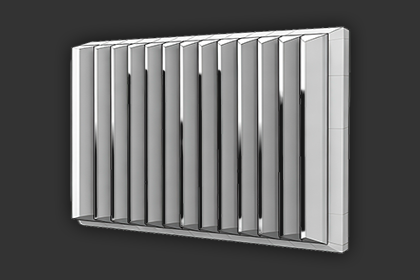
English passive acoustic interventions modulate the room impulse response through porous broadband absorbers, Helmholtz resonators for low-frequency mode control, and Schroeder diffusers (QRD/PRD), which, through controlled phase grating structuring, temporally and spatially scatter discrete reflections to suppress flutter echoes and generate a diffuse, psychoacoustically enveloping sound field.
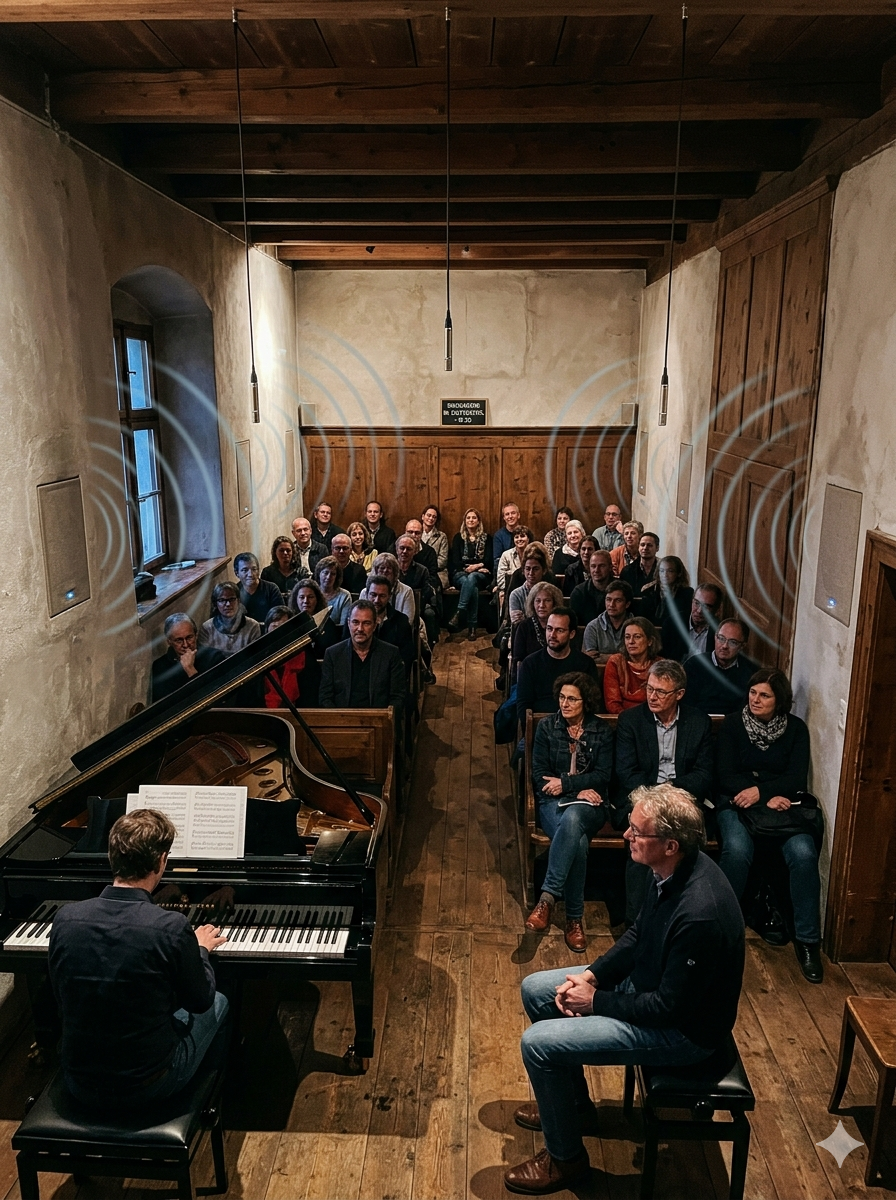
English regenerative electroacoustic room acoustics systems (AFC, Constellation) capture the diffuse sound field via microphone arrays and feed it back into the room via latency-free folding hall algorithms and distributed loudspeaker matrices in a phase-correlated manner to variably and inaudibly manipulate the physical reverberation time and spatial impression for multifunctional architectural concepts.

English Tel +49 371 646 361 73
Mobile +49 152 341 280 61
falko.urban@promediaconsult.de